-Make Your Own Fizzy Probiotic SodaWater
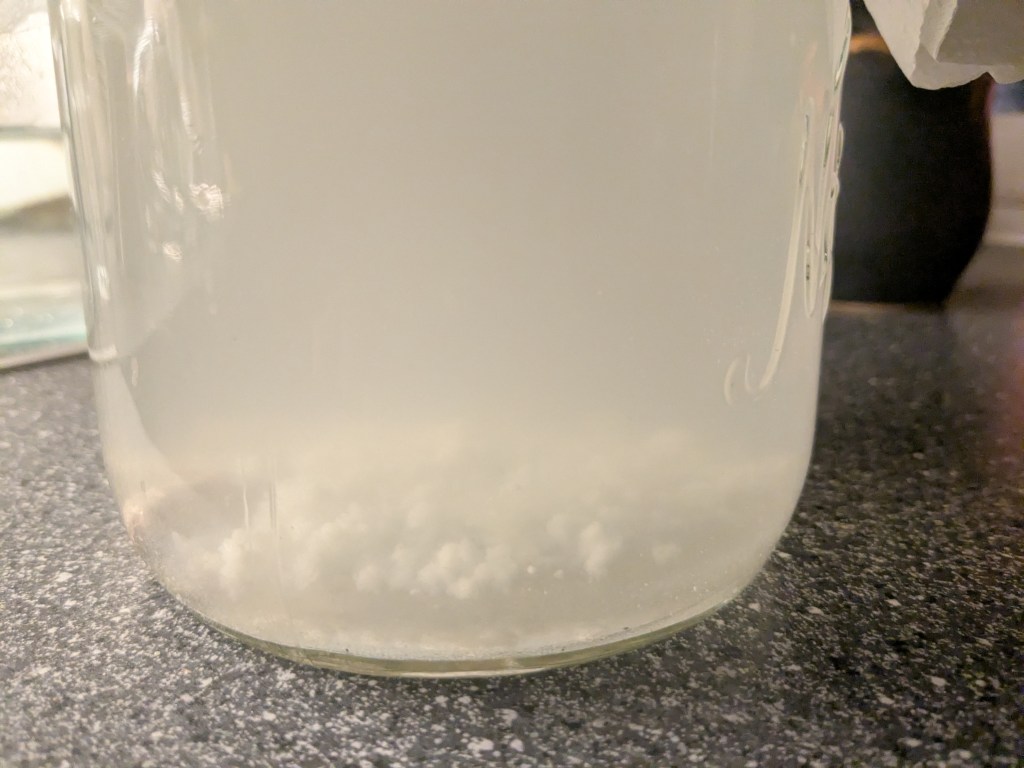
Kefir is a delicious, naturally carbonated fermented beverage that’s completely dairy-free. It’s created by adding special “grains” (a symbiotic colony of bacteria and yeast) to sweetened water, where they feed on the sugar and produce a lightly sparkling drink loaded with probiotics. With good care—regular feeding with sugar and a cozy room temperature around 20–26°C (68–79°F)—the grains grow and multiply, giving you an ongoing supply of this tangy, healthful refreshment. It’s known to aid digestion, boost beneficial gut bacteria, and provide small amounts of B vitamins and minerals.
Essential Tips for Healthy Water Kefir
- Always use non-chlorinated water (filtered, spring, or let tap water sit overnight to evaporate chlorine). Or you can ignore this tips if ti si too complicated, your kefir will turns out fine too! 🙂
- Perferable, choose sugars with minerals, such as organic cane sugar. Avoid honey, artificial sweeteners, or highly refined white sugar long-term.
- Use glass containers and cover with a cloth or coffee filter during the primary ferment to allow airflow while keeping contaminants out.
- Fermentation time varies: 24–48 hours is typical. Taste regularly—the drink is ready when it’s less sweet and pleasantly tart.
- For stronger bubbles, do a secondary fermentation( 48 hours) in sealed bottles.
- If pausing brewing, store grains in a weak sugar solution in the refrigerator.
Here are two easy, fruit-enhanced methods to get you started—one that adds flavor during the main fermentation, and another that focuses on a flavorful secondary stage.
Dried Fruit & Citrus Water Kefir (Flavor in Primary Fermentation) Adding dried fruit during the first ferment gives a gentle sweetness and extra minerals that keep the grains happy and healthy.
Ingredients (makes about 1 liter):
- 2–3 tablespoons active water kefir grains
- 4–6 tablespoons organic cane sugar
- 1 liter non-chlorinated water
- 3–5 unsulphured dried prunes or figs (or dried dates for extra sweetness)
- Optional: slices from half an organic lemon (including peel) and/or a couple thin slices of fresh ginger
Steps:
- Dissolve the sugar in a little warm water, then add the rest of the cool water until the mixture is at room temperature.
- Transfer to a clean glass jar. Add the kefir grains and dried fruit (plus lemon/ginger if using).
- Cover with a breathable lid and let ferment at room temperature for 24–48 hours. Taste to check progress.
- Strain the grains (save them for your next batch) and remove the fruit (you can eat it or discard).
- Enjoy right away for mild fizz, or pour into sealable bottles for an additional 12–24 hours to build more carbonation. Chill before drinking.
Fresh Berry Water Kefir (Flavor in Secondary Fermentation). Using fresh or frozen berries after removing the grains creates bold, bright flavors and impressive sparkle without risking the grains.
First: Make a Plain Batch
- Prepare as above, but skip the fruit (or add just one dried fig for minerals). Ferment 24–48 hours, then strain the grains.
Secondary Fermentation (for 1 liter of finished kefir):
- Gently mash or leave whole ½–1 cup of fresh or frozen berries (try cranberries for tang, raspberries or strawberries for sweetness, blueberries for mildness, or a mix).
- Add the berries to the strained kefir and funnel into sturdy airtight bottles, leaving a little headspace.
- Seal and leave at room temperature for 12–48 hours. “Burp” the bottles daily (briefly open to release pressure) to avoid too much buildup.
- Move to the fridge when the fizz level is right. Serve cold—strain out the berries if you prefer a clearer drink.
Feel free to mix and match fruits, add herbs like mint or basil, or experiment with juices and spices. Once your grains are thriving, you’ll have a constant source of affordable, homemade probiotic soda that’s far healthier than store-bought versions. Just keep an eye on fermentation (especially secondary stages) to prevent over-pressurization, and enjoy the process!
A Note on Alcohol Content
Like all fermented drinks, water kefir naturally produces a small amount of alcohol as a byproduct of the yeast activity—typically very low, around 0.2–0.5% ABV (similar to ripe fruit or some fruit juices) when fermented for the standard 24–48 hours. This trace amount is generally considered non-alcoholic and safe for most people, including older children in moderation (e.g., a small glass of fresh brew).
However, levels can rise to 1–2% or slightly higher with longer fermentation times, added fruit/juice in secondary fermentation, warmer temperatures, or extended storage. For young children, pregnant individuals, or anyone strictly avoiding alcohol, it’s best to stick to shorter ferments, drink it fresh, and consult a healthcare provider if needed.
If you’d prefer a mildly boozier version (for adults only), you can intentionally extend fermentation or add extra sugar/fruit in the second stage—but always monitor closely!
 SMALL fARM
Leave a comment