A Turkey’s Surprise: Our First Natural Hatch of 12 Eggs!
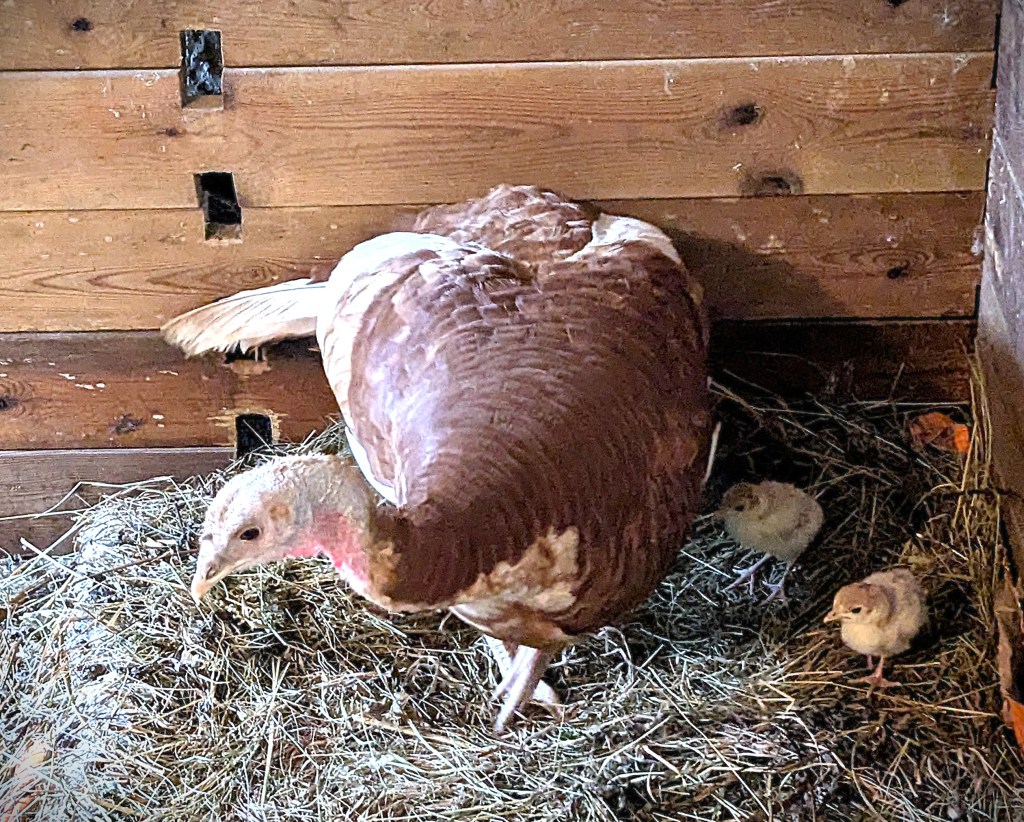
While we were away on vacation, my in-laws, watching the house, noticed one of our turkeys had vanished. After a thorough search the next day, they found her tucked away in a cozy nook among some clutter, diligently brooding. I told them not to worry—we’d sort it out upon our return.
Back home, I couldn’t immediately check her nest since she’d hiss fiercely whenever I approached, making me too nervous to disturb her. One day, while she was off eating, I finally got a look. To my amazement, there were 12 eggs! That explained why we hadn’t seen any turkey eggs lately—they were all here.
I was both surprised and delighted. Surprised because we’ll need to prepare a larger space for 12 growing turkeys. Delighted because this is our first time letting a turkey naturally incubate her eggs. Previously, I’ve relied on an incubator, and teaching the poults to eat was always a challenge. Now, I’m eager to watch this turkey mom tackle that task with ease.
My Journey Raising Rabbits for Meat
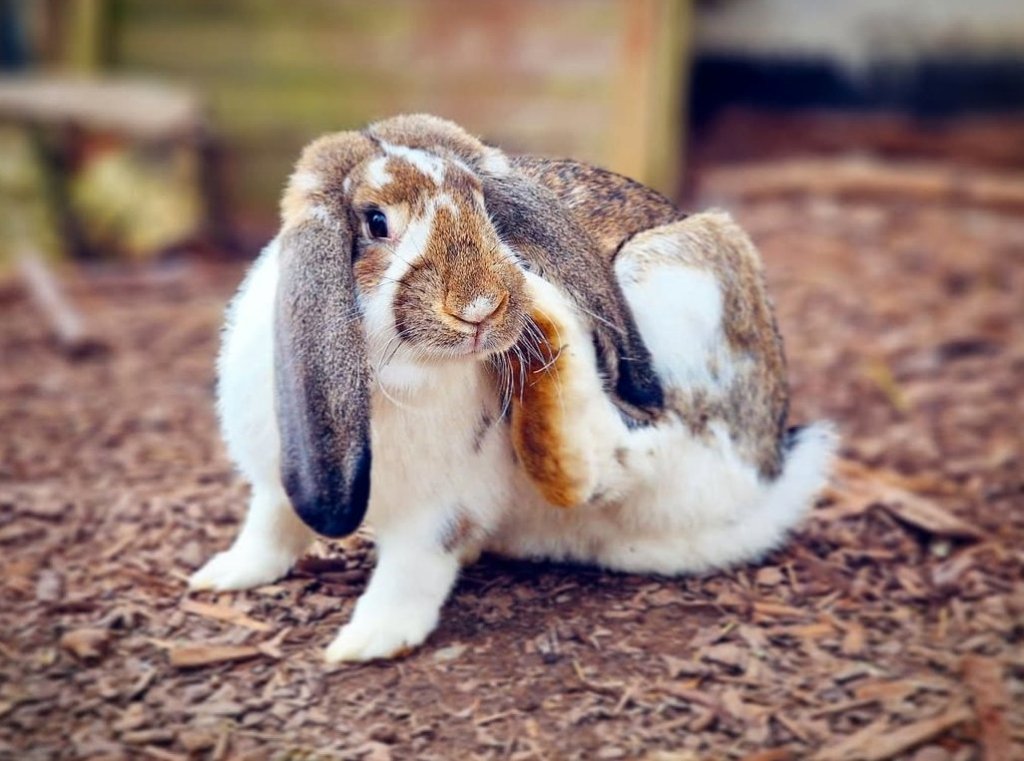
Three years ago, I jumped into raising rabbits for meat, starting with two Franskevedder and two Trønder rabbits. I built a roomy hutch in our animal house, covering the floor with heaps of fresh dried grass. I got the idea from another breeder who swore by grass flooring, and it felt right—rabbits go wild for it!
This setup was a game-changer, giving them space to roam, especially when they had litters. I never lost a single kit in that environment. The mama rabbits would gather grass, dig a burrow, give birth, and tuck their babies in with their own fur to keep them snug.
I’d heard breeders often battle parasites in colony-style setups, but my rabbits was healthy. The grass floor and open space kept them thriving. Then, one day, I noticed a rabbit from an earlier litter wasn’t growing right. It was puny compared to its siblings, and even with extra time, it didn’t catch up. When I processed it for meat, I found dark, sickly intestines. After digging online, I realized it had cancer—who knew rabbits could even get that? I still don’t know what caused it.
Then a bigger problem hit: all my rabbits caught coccidia, with spots showing up on their livers. It was rough, but since we were raising them for our own table, I didn’t give up and process all of them. I tackled it head-on, tweaking their diet and cleaning the hutch like crazy.
I decided to process two of the older rabbits to figure out where the trouble was coming from, and I was shocked—they were totally clean and healthy. Seems like it’s just the young ones getting hit.
After over a year of grinding through this, I moved all my rabbits into cages made with metal netting. Now, most of my rabbits are doing great and staying healthy, though every now and then, I’ll spot one or two unlucky ones showing signs of coccidia.
 SMALL fARM